Yet another one of my heart supplements (for my [ Class B1 MVD ]) besides [ Ubiquinol ], [ Cardiotrophin PMG ], [ Asthaxanthin ] and [ pycnogenol ] (pycnogenol extremely high in antioxidants aiding in heart/eye health) is hawthorn. Just started on it couple weeks back. Mom cuts only the tip of a capsule, squeezes half of the contents out on a spoon for me to lick it off, and the other half goes to Cotton for heart health maintenance.
Optimizing heart health sets the foundation for improved
quality of life and longevity. Hawthorn extracts have been well
researched for supporting many different aspects of heart function and
cardiovascular system health.* With organic Hawthorn berry, leaf and
flower, Hawthorn Supreme promotes optimal heart function and healthy
circulation.*
certified organic ingredients
Hawthorn Herb Improves Cardiac Function in Older Dogs [ full link ]
Older dogs in need of a general tonic will benefit most from this herb.
by Gregory L. Tilford
As a traveling, lecturing herbalist, I often hear the question of
whether herbs might be helpful in treating old or debilitated dogs with
chronic disease.
My answer: Yes – especially when used to supplement a good, natural
diet and to strengthen or “tonify” the body’s natural healing functions.
When used in this capacity, we refer to herbs as herbal tonics.
Unlike most conventional drugs, tonic herbs do not suppress or
replace natural functions in the body. Instead, they serve to improve
the body’s efforts to stay healthy. Tonic herbs are neither drug-like
remedies nor foods, but stand somewhere in between, providing
supplemental measures of support that help bridge the gaps between what a
body needs from diet and what it needs in terms of specific, added
support.
Most tonic herbs do their work by providing special nutrients,
enzymes, and other chemicals that the body needs to bring deficient or
overtaxed organs and systems into higher levels of efficiency.
Hawthorn (Crataegus species), a tonic herb that has been used for
centuries to improve cardiac function and output, is a classic example.
Hawthorn does not initiate any immediate changes in heart function, but
does so very gently over time, without adding stress or interfering with
other body functions. Hawthorn helps support the heart and
cardiovascular system in ways that no food or drug can.
Preventative heart tonic
Hundreds of scientific studies have validated hawthorn’s usefulness as a heart tonic.
It is well known that hawthorn dilates both coronary vessels and
vessels of the brain, helping to increase circulation and the transport
of nutrients and oxygen throughout the body.
It accomplishes this in a very effective and unique fashion: while it
acts to dilate major vessels, it also increases blood flow from the
heart to compensate for any reduction of arterial blood volume. In other
words, it helps the body push more blood around by increasing cardiac
output and decreasing blood flow resistance in the arteries, i.e., more
blood flow at less pressure. This has been shown in studies performed
with dogs, especially when used in small doses over an extended period.
Hawthorn also serves as a blood pressure regulator. Although the
mechanisms of this activity baffle herbalists and scientists alike, the
herb tends to gently elevate low blood pressure, and decrease high blood
pressure. This is really quite amazing, especially when we consider the
fact that hawthorn does this while increasing cardiac output. By
helping with dilation of coronary arteries and strengthening heartbeat,
hawthorn improves blood circulation without adversely effecting blood
pressure.
Another well-documented benefit of hawthorn is its ability to steady
and strengthen a weak or erratic heartbeat – such as that of elderly or
energetically challenged dogs. In human applications hawthorn has been
used as an alternative to antiarrhythmia drugs like digitalis, and to
improve the effects of that and other cardiac drugs.
Hawthorn is also a great antioxidant. It scavenges free radicals that
rob the blood of oxygen and may lead to various forms of vascular
disease. Herbalists also use the herb to lower blood cholesterol.
All of these activities are largely attributed to a vast assortment
of flavonoid constituents held within the berries, leaves, flowers, and
twigs of hawthorn. Although flavonoids are also found in many other
kinds of fruits (especially raspberries, blueberries, and other red or
blue fruits), hawthorn is an especially rich source.
Studies have shown that flavonoids are essential in maintaining
disease resistance and the integrity of smooth muscle tissues throughout
the body. Some studies even suggest that hawthorn may help prevent
myocardial damage in situations where the heart muscle is subjected to
physiological stress. This means that animals such as race horses or
working dogs who are constantly under cardiovascular stress will likely
find preventive benefits from daily supplements of hawthorn.
And to top everything off, hawthorn is very, very safe. In fact, in
the hundreds of animal studies that have been conducted with this herb
over the past 100 years, hawthorn has shown extremely low toxicity in
every animal tested. I place the risk of hawthorn berry toxicity on
about the same level as that presented by rose hips, raspberries, or
blueberries. In other words, I consider them all as medicinal foods.
Chronologically challenged
It stands to reason
that this cardiovascular tonic is useful in the daily care of any older
dog, but especially those who suffer from chronic heart problems such as
arrhythmia, congestive heart failure, postsurgical dysfunction, or
other cardiac anomalies that have weakened the heart’s ability to pump
blood.
I consider hawthorn to be strongly indicated in virtually any case
where damage to the heart muscle has resulted from heartworm
infestation, bacterial or viral infections, or protracted chemotherapy.
I also find hawthorn useful in cases of renal failure, especially in
early stages of the disease. When combined with ginkgo biloba (for small
capillary circulation) and herbs that improve urinary function,
hawthorn may be useful for getting more blood and oxygen into renal
arteries and smaller vessels of the kidneys. This, in theory, is thought
to slow degeneration of whatever healthy tissue remains in the diseased
organs.
As a daily supplement
When combined with a good
natural diet and other tonic herbs, hawthorn will act exactly as an
herbal heart tonic should – to fill the special cardiac needs in the
golden years of an animal’s life.
Other tonic herbs can be used in combination with hawthorn to round
out the supplemental needs of older animals. These might include ginkgo
or yarrow (for strengthening capillary walls and improving blood supply
to the kidneys and extremities); garlic (for added antioxidant and
immune system support); alfalfa and red clover (to nourish the blood,
increase appetite, and raise energy levels); dandelion leaf (to assist
in the removal of excess water); and oat tops (as a nervous system
tonic).
In the natural pet product industry, the berries of hawthorn are the
most commonly used part of this plant. This is probably because they
make such palatable medicine. However, the flowering branch ends
(leaves, flower buds, twigs, thorns and all) are fine medicine too, and
can be clipped into small pieces and brewed into a decoction (a simmered
tea). However, unlike the berries, the “twig tea” tastes awful!
If you are lucky enough to have a hawthorn tree near your home and a
dog that likes red fruit, you can pick the ripe berries and feed them as
tonic treats.
Or, when the berries become fully ripe, they can be picked, dried on a
clean sheet of paper, and ground with a mortar or pestle (be forewarned
that they burn out small coffee grinders!) into a coarse powder. The
powder can then be added to your companion’s diet at a rate of one
teaspoon per pound of food fed each day.
If your pup won’t eat the berries either way, try making a tea (with
about a teaspoon of dried berries and a cup of hot water) and pouring it
over his food. If that doesn’t work, you can use gel caps wrapped with
expensive, imported Brie cheese (just kidding!). Better yet, you can use
a liquid hawthorn tincture (one-half tsp. for small dogs; one-half to
one tsp. for larger dogs). Alcohol-free, glycerin-based tinctures are
quite sweet and easiest to feed.
-Greg Tilford is a well-known expert in the field of veterinary
herblism. An international lecturer and teacher of veterinarians and pet
owners alike, Greg has written four books on herbs, including All You
Ever Wanted to Know About Herbs for Pets (Bowie Press, 1999), which he
coauthored with his wife, Mary.
This is a new brand of supplements for us which we started couple weeks back. Vision Enhancement is for eye support and because my [ ultrasound scan ] shows that I'm developing cataracts on my right eye (left eye is thankfully still good). Mom decided to have me on this supp aside from [ pycnogenol ] which is very high in antioxidants and promotes eye health support as well. Another supplement we're on is [ Asthaxanthin ] which is yet another antioxidant supporting the immune system, cardiovascular system and eye health.
Mom cuts only the tip of a capsule, squeezes half of the contents out on
a spoon for me to lick it off, and the other half goes to Cotton for eye maintenance. Cotton has perfect eyesight (from her ultrasound scan), so it just acts as a maintenance supplement for her... and because its a tad too much for me to eat one whole capsule on my own, she becomes my dustbin.
The eye supplements we're on are not limited to cataracts, but also Progressive Retina Atrophy (PRA) and glaucoma which can be common in some dogs.
Our eyes rely on antioxidants to protect against the oxidative
damage that occurs daily. Vision Enhancement promotes healthy vision
while supporting normal eye function.* With naturally-occurring
antioxidants such as Anthocyanins from Bilberry, Proanthocyanidins from
Grape Seed, and Carotenoids like Lutein and Astaxathin, Vision
Enhancement is a protective shield for the eyes.*
certified organic ingredients
Older Dogs and the Onset of Cataracts [ full link]
Look into your older dog’s eyes – and see your vet if clouds are present.
A dog’s eyes, like those of its human companions, change with
age. The passage of time and the progression of certain illnesses
increase the risk of canine cataracts, glaucoma, and other
vision-related problems.
Fortunately, not all age-related vision changes are serious, and some
that are serious can be prevented and even reversed. By being aware of
the eye conditions that are common in aging dogs, we can do much to help
our canine companions see well throughout their lives.
Cataracts
Cataracts make the lens of the eye opaque or cloudy, which gradually
reduces vision to the point of blindness. In their early stages,
cataracts cause blurring and distortion of vision, but they are
invisible to the naked eye. By the time most owners notice them,
cataracts involve more than 60 percent of the dog’s eye. Cataracts often
accompany other illnesses, such as diabetes and hypothyroidism (low
thyroid function).
Surgery performed by a veterinary ophthalmologist is the only
treatment considered effective in conventional veterinary medicine – and
is indicated only in cases where the cataracts are not a result of a
secondary disease such as diabetes.
Lenticular sclerosis Lenticular sclerosis, also
called nuclear sclerosis, is very different from cataracts, though the
two are often confused. “Lenticular sclerosis is a normal age-related
change in the canine eye,” explains Jeff Wayman, DVM, of Belton,
Missouri. “As the dog ages, the interior portion of the lens becomes
harder and more compact, producing an indistinct greyish-blue haze. Your
veterinarian can easily distinguish cataracts from lenticular sclerosis
with an ophthalmoscope.”
Some veterinarians believe that lenticular sclerosis does not
interfere with vision at all, while others say it causes slight blurring
and interferes with depth perception. “This would be more of a problem
if dogs had to read or if they were strongly dependent on central
vision,” says Mike Richards, DVM, at www.vetinfo.com, “but they don’t
read and they don’t lose the ability to see movement, which is more of a
peripheral vision ability. Most dogs with lenticular sclerosis will
continue to see well enough to get around for the remainder of their
lives.”
Glaucoma
One of the most common causes of vision
loss in dogs, glaucoma is caused by a buildup of fluid in the aqueous
humor of the eye, which results in increased pressure. Several factors
can interfere with the normal drainage of fluid from the eye, including
structural problems with its filtration (known as primary glaucoma) or
mechanical problems caused by a displaced lens or the accumulation of
blood and other debris in the eye (secondary glaucoma).
Glaucoma can be chronic, in which the illness’s gradual progression
may result in tunnel vision, or acute. Acute glaucoma is a medical
emergency requiring veterinary attention. A common symptom of acute
glaucoma is the sudden development of a red, painful eye. The pain,
which may not be obvious at first, can manifest as lethargy, a loss of
appetite, or excessive sleeping.
If this condition goes untreated for 48 hours, it may be impossible
to save the eye’s sight, and when one eye has succumbed to glaucoma, the
other usually follows. While dogs of any breed can develop glaucoma,
those most associated with primary glaucoma are Northern breeds such as
the Norwegian Elkhound, Siberian Husky, Malamute, and Samoyed, as well
as the Bouvier de Flandres, Basset Hound, Chow, Cocker Spaniel, Shar
Pei, Poodle, and Shih Tzu.
Elevated intraocular pressure (IOP) damages the retina and optic nerve,
resulting in partial to complete vision loss. “Early recognition of
glaucoma is vital if vision is to be preserved in the eye,” says Dr.
Wayman. “In my opinion, most glaucoma cases should be managed by a
board-certified ophthalmologist if possible.” Conventional treatment
includes drug therapy and surgery, including the removal of eyes blinded
by glaucoma, as this disease can cause severe pain.
Retinal degeneration
Most common in Collies, Irish
Setters, Miniature Poodles, Labrador Retrievers, and Cocker Spaniels,
inherited retinal degeneration or PRA results in vision loss, usually
starting with night blindness or difficulty seeing in low-light
situations. Sudden acquired retinal degeneration (SARD) can occur in any
breed and is believed to result from metabolic disorders such as
Cushing’s disease. There is no conventional veterinary treatment for
blindness caused by retinal degeneration.
Prevention of eye problems
Although injuries can
be a factor, holistic veterinarians believe that the leading cause of
cataracts, glaucoma, retinal degeneration, and other vision problems is
inadequate nutrition.
In his book, Natural Health for Dogs and Cats, holistic veterinarian
Richard Pitcairn notes that cataracts frequently accompany immune
disorders and chronic diseases such as diabetes. “Many dogs with chronic
skin allergies, hip dysplasia, and ear problems will develop cataracts
as they get older,” he says. Removing the lens surgically may help, he
explains, but unless underlying conditions such as diet are addressed,
the eye will never be healthy.
Research on humans has shown that glutathione may help prevent
cataract formation and correct damage from free radicals. Some studies
have shown that many lenses affected by cataracts contain only 20
percent of the glutathione found in healthy lenses. Glutathione is
composed of three amino acids, cysteine, glycine, and glutamic acid.
Natural sources include eggs, broccoli, avocados, and garlic, and
glutathione is sold as a nutritional supplement.
Wendell O. Belfield, DVM, a pioneer of nutritional therapy for pets,
cites human studies that show vitamin C improves the vision of elderly
patients suffering from cataracts. He describes one veterinarian who
successfully treated hundreds of dogs with cataracts and related eye
conditions using injected and oral vitamin E and selenium.
In addition, the famous vitamin E researcher Dr. Wilfrid Shute told
Dr. Belfield how he treated a champion Doberman Pinscher that stopped
siring and went blind with cataracts at age seven. After a few weeks of
taking 300 International Units (IUs) of vitamin E daily, the dog sired
several litters of puppies and, within three months, his cataracts
cleared up.
Another veterinarian mentioned by Dr. Belfield successfully treated
canine cataracts with 20,000 IUs of vitamin A daily for 10 weeks. “There
are many different types and causes involved with cataracts,” he
concluded. “My opinion is that a good diet and supplementation program
will contribute to preventing them and may, as the above cases show,
eliminate them should they occur.”
It is so difficult to treat glaucoma in dogs that prevention is
crucial. Some veterinarians recommend vitamin C and/or the mineral
selenium because deficiencies of both have been found in human glaucoma
patients. Vitamin C was found to lower intra- ocular pressure in many
studies, even in patients who did not respond to prescription drugs.
Cod liver oil has dramatically lowered intraocular pressure in
rabbits, humans, and other animals, and oils rich in omega-3 fatty
acids, such as flax seed oil, also help lower pressure. Bioflavonoids
such as grapeseed extract and the herb bilberry (Vaccinium myrtillus)
help prevent glaucoma by maintaining healthy collagen in the eyes. The
herbs gotu kola (Centella asiatica) and ginkgo (Ginkgo biloba) may help
lower pressure by increasing circulation in and around the eyes, while
coleus (Coleus forskohlii) relaxes smooth muscles in the eye and helps
lower pressure. For best results, consult an herbalist or holistic
veterinarian to determine the best preparations and doses for dogs at
serious risk of glaucoma.
Advocates of natural feeding plans claim that dogs raised on well-balanced raw food rarely develop retinal degeneration or PRA.
The same vitamins, herbs, and supplements that help prevent glaucoma
and cataracts can prevent or slow the progression of retinal atrophy.
Bilberry, which British World War II pilots used to improve their night
vision, is especially appropriate. Because there are strong links
between the eyes and the liver, many holistic veterinarians use herbs
and supplements to support liver function while treating PRA. The herbs
milk thistle seed (Silybum marianum) and dandelion leaf or root
(Taraxacum officinale) help tone and repair the liver, as do supplements
containing liver.
Acupuncture is an important support therapy for dogs with vision
problems. It corrects energy imbalances throughout the body, stimulates
self-repair, and strengthens individual organs, including the eyes and
liver. Acupressure and massage are also helpful.
With a lifetime of good vision as their reward, any improvements we
can make in our dogs’ food, supplements, and support therapies are
investments worth making.
-by CJ Puotinen
CJ Puotinen, a frequent contributor to WDJ, is the author of The
Encyclopedia of Natural Pet Care, Natural Remedies for Dogs and Cats,
and several books about human health including Natural Relief from Aches
and Pains, published last summer.
That's the ultrasound scan of my right eye. Mom thinks this is one of the surest way to determine the onset of cataracts. Hopefully with all these supps, it can help to halt the deterioration.
Cardiotrophin PMG is what Mom feels is primarily vital for my Class B1 MVD. We've been on it for over a year, probably started on it in Aug 2015. Since no medications are needed for my condition for that stage, Mom maintains it by giving me a few different heart supplements. So far so good for over a year without any deterioration and the sonagrapher is pretty pleased with the results. Click [ here ] for ultrasound posts.
Mom blends one tablet per day with our organic raw veg smoothie (for better absorption) and it's shared by Cotton and me. So that adds up to half a tablet for each of us per day.
Do note that this is a whole-food based supplement and is NOT a pet-grade supplement. However, it is widely recommended by many holistic vets for the use in dogs and cats with heart conditions.
It is also only sold through doctors and vets as Standard Process is a prescription supplement. So Mom imports it from a vet and if anyone wishes to tag along for the next order (details up in awhile) for cheaper rates, do email Mom. The order is NOT limited to just Cardiotrophin PMG, but any supplement from Standard Process range. However, a brief description of the animal is needed for the vet to ok it.
Consolidation will be up to 25 bottles as that's the maximum that could fit into the flat-rate shipping box. The order will probably take place in early 2017 so Mom's hoping to consolidate all orders for it by then. Each bottle is at USD16 (90 tablets) and a flat international shipping rate of USD65 (max of 25 bottles in a box) or a rough estimation of USD12 to a freight forwarder address in USA (excluding shipping fees from there to SG).
There is another supplement by Standard Process called Cardio-Plus, but it contains a whole lot of other ingredients unlike Cardiotrophin PMG which is primarily just bovine heart PMG extract. Cardiotrophin PMG is the one to go for if you're looking for a more ''focused'' direction like us.
Mom's reiki teacher recommends up to three tablets for me alone after doing applied kinesiology (aka muscle testing) on me. You can read up on muscle testing on your own if you'd like.
So anyways, Mom decided to stick with just one tablet per day shared between Cotton and me because it isn't organic, which means it contains binders, fillers AND calcium stearate. She doesn't wanna tax my liver to filter those out especially with calcium stearate (you can google about it if you've no idea what it is). The supplement is good, but Mom just wishes it didn't contain calcium stearate .
And so far, my Class B1 MVD is maintained at this stage for over a year. So for now, Mom will just stick to this dosage until next year's ultrasound scan.
On a side note, quite a few holistic vets actually recommend Standard Process supplements (despite it being a prescription supplement). Read [ here ] .
Back to topic, what is PMG you may ask? It is short for Protomorphogen. If you're a wordy person like Mom and likes to know EVERYTHING for our health, read on.
In the 1940's, Dr. Royal Lee pioneered a unique method of deriving extracts from the "cell determinants" of specific organs and glands for clinical use. Dr. Lee described in detail what these extracts contained and how they functioned in regard to cell regulation, maintenance, and interaction with tissue antibodies. It is clear both from the description of the extraction process and clinical use that these extracts differ from what is commonly referred to as "glandulars." Furthermore, because these extracts have a distinct clinical application and effect, they should not be confused with glandulars, or be referred to simply as "protomorphogens." Rather, Protomorphogen™ is the trademark owned and used by Standard Process Inc., as a brand name assigned to these uniquely derived extracts.
The cell determinant contains the thermostable mineral skeleton that forms the framework onto which the chromosome is then constructed. It is believed that this mineral skeleton, along with its associated nucleoproteins, forms the shortest unit of the chromosome. This unit, the cell determinant, is easily polymerized to form organized groups of cell determinants that in turn form the gene, and genes then form the chromosome. The basic structure of the cell determinant is predicated on the specific chemical affinities of the mineral components. Dr. Lee believed that the influence of the cell determinant is due, in large part, to the organized groups of mineral links that serve both as a template and a catalyst to initiate the formation of specific protein molecules. At its most basic level, the attached nucleoprotein moiety is simply attracted and bound due to this chemical affinity of the mineral skeleton. It follows then that the individual genetic pattern is actively formed over this basic framework.
While in the cell determinant state, there appears to be an affinity for lipid substances and a high degree of absorption onto connective tissue. The amount of cell determinant in the surrounding extracellular fluid has an impact on cell division. It has been demonstrated that when cell determinant levels are low, cell division decreases. In similar fashion, when higher concentrations are present, cell division is inhibited. These studies show that stimulation is exerted by both homologous and heterologous cell determinants, while inhibition is exhibited by homologous cell determinants. It is critical to note that this stimulation effect is specifically related to normal cellular growth and not the stimulation of abnormal cell patterns.
It also appears that cell determinants can group to form cell-mediated growth factors. There are a number of cell-mediated growth factor cycles. These include the determinant cycle, which is specifically concerned with the organization of cell morphology, and the metabolic cycle, which is related to cellular energy mechanisms.
At mitosis, the chromosome discharges a significant amount of chromatin into the cytoplasm. This organizes the morphology of the cell cytoplasm. The metabolic cycle may be an augmented manifestation of the determinant cycle. It is interesting to note that synthesis and excretion of cell determinants is a dynamic process and appears to occur independently of the determinant cycle, since extracellular cell determinants continue to accumulate even after cell division ceases.
Cell determinants are found intact throughout the body and play a role in cell growth and regulation. Proper ratios of intracellular and extracellular cell determinants are critical for optimal cellular health. It appears that poor cellular function and abnormal cellular growth may have their roots in abnormalities of the cell determinant cycles. Based on this hypothesis, adding Protomorphogen™ brand extracts has been shown to help maintain cellular health. This effect is believed to be the result of keeping the cellular processes in proper balance. In an atmosphere of appropriate cellular balance, maintenance and normalization of the cell cycle can occur; especially in the presence of suitable, biochemical supportive nutrients known to have significant influence upon the organ in question, for example, vitamin A on the eyes.
The use of Protomorphogen™ brand extracts can aid in maintaining normal cellular metabolism and cell cycling. This is an important feature that should not be overlooked and is perhaps one of the most important aspects for using Protomorphogen™ brand extracts in the clinical setting. Of equal importance, it is essential to consistently provide proper nutritional synergists for cellular support.
This will improve the efficacy of the clinical application of Protomorphogen™ brand extracts.
Started on this supplement today. Asthaxanthin makes up one of our heart supplements. However, aside from heart health, it is also beneficial for joints, eyes, brain, immunity, and as a cancer and aging prevention too (more on that below). Mom rotates it with krill oil as asthaxanthin is present in krill oil. If you're looking for something that's stronger than lutein (for eyes), you may consider using asthaxanthin. (details below)
When some algae are stressed they release this powerful antioxidant called astaxanthin.
Astaxanthin belongs
to a group of compounds called carotenoids – and it’s actually a red
pigment. Carotenoids are pigment colors that occur in nature. For
example, beta carotene is an orange pigment and makes foods like orange
peppers, well, orange. Astaxanthin is a red pigment and it actually
turns animals that eat it pink. Salmon, shrimp, flamingos, crayfish and
krill would be an entirely different color if they didn’t get
astaxanthin in their diet. In fact, it’s added to many goldfish foods to
keep them a nice deep orange color. And flamingos are born with grey
feathers … they don’t turn pink until they start eating their natural
diet of algae and crustaceans.
But don’t worry … your dog won’t turn pink if he eats it. And there are plenty of good reasons to give your dog astaxanthin.
How Astaxanthin Works
Astaxanthin is an antioxidant – and antioxidants are an important nutrient to fight against free radical damage.
Free
radicals are unpaired electrons that can accumulate in cells. They’re
the byproduct of metabolism, sometimes the immune system creates them to
fight viruses and bacteria, and they’re also formed when your dog is
exposed to chemicals, pesticides, processed foods, pollution, radiation
and toxins.
Once free radicals form in cells, their single
electron makes them very unstable, so they react quickly with other
compounds so they can capture a second electron to make them stable
again. So they often just attack the closest stable molecule and steal
its electron. So the damaged molecule with the missing electron becomes
another free radical and a chain reaction is set in motion.
This
process is called oxidative stress and it causes damage to the cells,
proteins and DNA in your dog’s body. So free radicals are associated
with many common diseases including cancer, and premature aging.
Astaxanthin
is a powerful antioxidant, which means it fights free radical damage.
It’s designed perfectly to protect all parts of the cell and actually
positions itself across the entire cell membrane, attaching itself to
both the exterior, interior and lipid layer, offering entire protection
for each cell.
Astaxanthin is better than most other antioxidants
(such as vitamin E) because it controls multiple free radicals at a
time. Astaxanthin forms an electron cloud around the molecule, so when
free radicals come by to steal electrons they are absorbed into the
cloud and neutralized.
It’s a powerful antioxidant, with
antioxidant strength up to 6,000 times more potent than vitamin C and
800 times stronger than CoQ10.
And unlike other antioxidants, it never becomes a pro-oxidant in the body. It’s not called the “king of carotenoids” for nits.
So let’s look at some of the more important ways I use astaxanthin in my practice:
1. Dry Eye And Retina Health
Keratoconjuctivitis sicca
(KCS) is a condition that is commonly referred to as “dry eye” in dogs
and I like to use astaxanthin to treat dry eye. It works as an
anti-inflammatory. The medical term means inflammation of the cornea and
surrounding tissues from dryness. It’s a common condition resulting
from inadequate production of the aqueous portion of the tear film that
protects a dog’s eye by the lacrimal gland (a gland of the third eyelid
gland)
While conditions such as hypothyroidism and autoimmune
disease as well as reactions to sulfa drugs may cause KCS, the gland can
rejuvenate with the proper holistic management. Astaxanthin can cross
the barrier to reach the retina, a barrier that few make it through.
I
would also recommend astanxanthin for retinal detachment and sight in
general. While this antioxidant is relatively new on the scene, it’s an
important one for eye health, and it’s not hard for me to imagine that
it would be very effective in preventing cataracts.
2. Joint Health
Astaxanthin
is a serious anti-inflammatory. So it’s great for joint health too.
Measure it against any other joint product you use for your dogs. It
actually blocks and handles several different chemicals that create
pain. It reduces inflammation in the body and inflammation is what,
always and eventually, helps create chronic disease.
3. Heart Disease
Astaxanthin
has been proven to reduce C-Reactive Protein (CRP) in the body. CRP is a
key indicator of heart disease and lowering CRP can help prevent as
well as treat heart problems. I would recommend Astanxanthin before
CoQ10 as it is 800 times more powerful.
Other Uses
Besides
being great for joint health, eye function and heart health,
astanxanthin is also great for brain function, cancer prevention, immune
system health and slows the aging process. And these health benefits
of astaxanthin that we’re currently aware of are likely just the tip of
the iceberg.
But not all astaxanthin is the same …
Natural Sources Of Astaxanthin
Currently, the primary industrial source for natural astaxanthin is the microalgae Haematococcus pluvialis,
which seems to accumulate the highest levels of astaxanthin in nature.
Conveniently, these little folks naturally double their volume every
week. Commercially, more than 40 g of astaxanthin can be obtained from
one kg of dry biomass. Hemoatococcus pluvialis is used to make high dose human and pet supplements naturally.
A yeast, Phaffia rhodozyma,
also generates substantial amounts of astaxanthin and is used to create
supplements; however it can be genetically modified, so it’s safest to
check that your supplement is made from microalgae.
Beware Synthetic Astaxanthin
Nearly
all commercial astaxanthin for aquaculture is produced synthetically
selling at over five thousand dollars a kilo. However, synthetic
production of astaxanthin is not so hot because it contains a mixture of
stereoisomers. Stereoisomers are molecules that have the same
molecular formula and but are arranged differently in three-dimensional
space. Some of these stereoisomers affect digestibility and
bioavailability. This is a good reason to avoid synthetic astaxanthin as
it may be less well absorbed by the body than the naturally-sourced
form.
Synthetic astaxanthin is not approved for human use (likely
because of petrochemicals used in astaxanthin synthesis) … and you don’t
want to give it to your dog either. Synthetic astaxanthin is used in
animal feeds, especially in the fish farming industry. So when you buy
salmon, whether for you or your dog, make sure you always buy wild, not
farmed salmon.
Recommended Astaxanthin Dosage
Astaxanthin
is a great protective antioxidant to add into your dog’s diet. Using the
natural supplement, give your dog the following amounts by size:
Small Dogs (under 20 lbs): 1/2 tsp once daily
Medium Dogs (21-49 lbs): 1 tsp once daily
Large Dogs (over 50 lbs): 2 tsp once daily
Food Sources Of Astaxanthin
If
you want to feed astanxanthin-rich foods, the best is wild Pacific
salmon, which have the highest content ranging from 4 to 40 milligrams
per kilogram. Again, don’t use farmed fish as these have likely been fed
synthetic astaxanthin.
Like other carotenoids, astaxanthin has
self-limited absorption orally and such low toxicity by mouth that no
toxic syndrome is known, so it’s very safe for your dog. So you might
want to consider adding this super antioxidant to your dog’s diet.
Astaxanthin: This Super-Antioxidant Improves Mitochondrial Function in Dogs Young and Old
By Dr. Becker
A study conducted at Washington State University and published recently in the Journal of Animal Science1
indicates that supplementation with astaxanthin improves mitochondrial
function in dogs. Specifically, the researchers concluded that:
“Dietary astaxanthin improved mitochondrial function in blood
leukocytes, most likely by alleviating oxidative damage to cellular DNA
and protein.”
Astaxanthin is a carotenoid. Carotenoids are colorful plant pigments
and astaxanthin is actually responsible for the bright red color of
krill oil and the pink flesh of wild caught salmon. Carotenoids have
powerful antioxidant properties, and research indicates they are also
anti-cancer, anti-diabetic and anti-inflammatory agents. Mitochondria are present in almost all the cells of the body, and
their job is to produce energy. They are sometimes referred to as “tiny
power plants.” Mitochondrial dysfunction or disease means there’s an energy
generation problem, with the result that certain functions in the body
don’t work properly. In humans, diseases caused by mitochondrial
dysfunction include autism, Parkinson’s, Alzheimer’s, muscular
dystrophy, and chronic fatigue syndrome.
Astaxanthin Study with Beagles
The WSU study involved both young and geriatric healthy female
Beagles. The dogs were fed 20 mgs of astaxanthin daily for 16 weeks.
Fasting blood samples were taken at the start of the study, again at 8
weeks, and again at completion of the trial. Mitochondrial function improved in both the young and elderly
Beagles. In the older dogs, astaxanthin supplementation increased ATP
production, mitochondria mass, and cytochrome c oxidoreductase activity.
In the young dogs, astaxanthin increased the reduced glutathione to
oxidized glutathione ratio. It decreased nitric oxide in all the dogs.
This Study is More Evidence of the Benefits of My Favorite Whole Food Supplement for Pets
Astaxanthin is known as the “king of the carotenoid family.” It’s a
naturally occurring, non-toxic source of vitamin A that is hundreds of
times more potent than vitamin E, ten times more potent than
beta-carotene, and about five times more potent than lutein as a
functional antioxidant. Astaxanthin fights oxidative stress and free radical damage. It has
very strong free radical scavenging abilities and helps protect cells,
organs and tissues from oxidative damage. Astaxanthin provides antioxidants to parts of the body that don’t
normally receive a lot of antioxidant benefit. It can cross the
blood-brain barrier and the blood-retina barrier. This means it can help
reduce the potential for diseases of the central nervous system, the
spinal cord, and the eye. Astaxanthin also supports immune function
thanks to its high levels of beta-carotene. Studies also show astaxanthin supports joint and muscle recovery after exercise, and cardiovascular health in dogs and cats.
This is a super late post. We started having digestive enzymes in Aug 2015 as I'm 11 yrs young and Cotton 10 yrs young now (aside from out Dr. Dobias organic [ Gutsense ] probiotics) and some digestive enzymes would assist us much more.
Why are enzymes important for all living beings? Raw food are already extremely rich in enzymes so the body doesn't need to produce extra to digest food. Because the production of our innate enzymes are limited, when the body has to repeatedly produce excessive enzymes to digest cooked/processed food which are all depleted and void of enzymes, energy to produce enzymes by the body is wasted and did you also know that when innate enzymes are all used up, our lifespan is just about up too?
So for senior dogs, it's beneficial to add some digestive enzymes (and probiotics) into our diet even though we're on an organic raw diet. Take note not to add too much as that might make the body ''lazy'' to produce their own enzymes and rely on external sources overtime.
Mom chose Dr. Mercola digestive enzymes for us.
They cost S$24.52 (USD139.20 or SGD196.18 for 8 bottles) per bottle here.
Does your pet show signs of less-than-optimal
digestive health, such as occasional abdominal discomfort and gas,
occasional bad breath or vomiting?
How about less-than-optimal joint health? Minor food sensitivities?
Lackluster energy and overall less-than-ideal health? You probably
wouldn't suspect these issues to be connected with poor digestion, would
you?
Many holistic veterinarians like me have discovered a solution that
may help with all of these complaints and much more. In fact, this may
be one of your greatest allies in helping to maintain your pet's total
health.
What is this solution?
Enzymes.
Enzymes may drastically improve your pet's digestion and absorption
of nutrients, and as I suspect you'll soon discover, contribute
considerably to your pet's well-being.
The "Magic" of Enzymes
One of the vital forces and energy of life, enzymes are tiny protein molecules found in every living cell.
They're responsible for countless activities and functions involving
energy production, metabolism, detoxification, and so much more.
Just to convey how powerful these molecules are…
As you read this one sentence, millions of biological reactions requiring the actions of enzymes are occurring in your pet's body.
Here are some of the many benefits of enzymes:
Supports the immune system
Aids the absorption of vitamins and minerals from food
Promotes normal body weight without hunger cravings
Promotes respiratory health
Helps reduce minor food sensitivities
Helps promote normal cell growth
Supports healthy teeth and gums
Helps maintain healthy cholesterol levels that are already within the normal range
Reduces occasional bloating, gas, heartburn, and constipation
Lessens skin irritation and excessive shedding
Provides more energy due to better utilization of nutrients
Helps remove toxins from the body
Promotes comfortable movement of joints
As you can see, enzymes function in so many wondrous ways beyond digestion.
Why Digestive Enzymes May Be So Beneficial to Your
Pet's Well-Being
The two main types of enzymes most important to your pet's well-being are metabolic and digestive enzymes.
Metabolic enzymes function throughout your pet's body to help carry
out the critical bodily functions of building and maintaining every
cell, tissue, and organ.
Digestive enzymes work in the stomach and intestines to break down the food your pet eats.
The four basic digestive enzymes are:
Protease – helps break down and digest protein
Amylase – helps break down and digest carbohydrates and starches
Lipase – helps break down and digest fat
Cellulase – helps break down fiber
Your pet's body depends on enzymes in her digestive track to unlock
vitamins, minerals, and other important nutrients from the food so they
can be absorbed.
What Happens When Your Pet Lacks Sufficient Digestive Enzymes
What happens if your pet doesn't have enough enzymes in his digestive track?
First, his body robs critical metabolic enzymes from other important
tasks, such as immune function, as digestion of food reigns as a
high-priority, survival activity.
Second, a lack of digestive enzymes may result in incomplete
digestion, allowing partially digested food particles to enter the
bloodstream directly from the large intestine.
Less-than-optimal health may be at least partially due to your pet's
body's response to undigested food particles circulating in the
bloodstream.
Where Your Pet Gets the Enzymes She Needs
Where does your pet get the enzymes she needs for digestion and other metabolic functions?
From two sources:
Your pet's diet
Your pet's body
Just about every raw, fresh food – whether it is plant or animal source – contains enzymes.
However, enzymes are fragile beings. Heat, pesticides, herbicides,
food preservatives, additives, artificial colorings, and flavor
enhancers easily destroy them.
In your pet's body, air pollutants, smoke, excessive UV rays from sunshine, and medications can deplete enzymes.
Free radicals produced during periods of increased activity and even normal cell activity also diminish your pet's enzymes.
If your pet consumes mostly processed or cooked food, she likely
receives little or no enzymes from her food, and must rely on her body
to manufacture many or all of the enzymes she needs.
Your pet's pancreas produces protease, amylase, and lipase, but likely not enough to completely digest her food.
What We Can Learn from Pottenger's Cats
A half century ago, Dr. Francis M. Pottenger, Jr., a California
physician, studied the effects of a cooked meat and pasteurized milk
diet on over 900 cats.
During his ten year study, Dr. Pottenger discovered that diets
containing raw milk and raw meat produced optimal health, good bone
structure and density, shiny fur, and successful reproduction.
Changes noted with the groups of cats receiving cooked meat and pasteurized milk included:
Less-than-optimal physical function and reproductive health, increasing with each generation
Bone health was not optimal
Adverse personality and behavioral changes
Less-than-optimal thyroid function
To what factors did Dr. Pottenger attribute his results? The absence
of naturally occurring enzymes in the cooked diets was certainly one
important factor.
The Natural Process of Digestion in the Wild
To better understand the role enzymes play in your pet's digestion,
let's take a look at what happens when your pet's ancestor – whether it
be a wild dog on the prairie or a wild cat in the desert – eats a meal.
When he slaughters his prey, he receives small amounts of grasses,
fruits and vegetables from consuming some of his prey's digestive tract.
However, by the time he consumes them, these foodstuffs are already
partially digested, mixed with the prey's rich secretions of pancreatic
enzymes.
Predigestion of any vegetable matter found in the prey's GI tract is
an important part of carnivores being able to assimilate the vitamins
and antioxidants found in these foods, unlocking their nutritional
benefits and allowing them to be passed up the food chain.
The fresh raw muscle meat from his prey also contains the natural, live proteolytic enzymes needed for its digestion.
Further, when coyotes and wolves hunt prey in the wild, they devour
organs rich with enzymes, such as the prey's pancreas, which provide
supplemental, live digestive enzymes.
Because they receive sufficient enzymes from their prey for
digestion, their own metabolic and digestive processes are not taxed.
Their bodies are able to readily supply ample amounts of metabolic
enzymes to carry out other important bodily functions.
Your Pet's Digestive System
For many reasons, most pet owners don't consider their pet's ancestral diet when deciding what to feed their pet.
However, you may be surprised to learn that, even after thousands of
years of selective breeding, not much has changed with your pet's
digestive system.
Dogs and cats are still carnivores with bodies designed to eat fresh, raw meat and bones.
And, thirty years of studies confirm that the natural diet of both
cats and dogs doesn't contain grains or seeds, unless they are
pre-digested by small prey animals.
Just take a glimpse at your pet's teeth – the first step of her
digestive process. You'll find she clearly lacks suitable tooth surfaces
to grind grains so common in today's pet diets.
However, it's not just her teeth keeping her from naturally eating grains…
Her body isn't designed to digest them.
Meat-eating animals, such as cats and dogs, naturally produce more protease to handle their high protein requirements.
They don't naturally produce much amylase because their ancestral
diet doesn't consist of grains nor does their body have a nutritional
need for grains and starches.
Adding to a lack of appropriate enzymes, dogs and cats' digestive
tracts are shorter than humans' are and simply not designed to digest
starchy foods effectively.
Here's the real issue… Consuming these foods on a regular basis can result in less-than-optimal metabolic function.
The Problem With Today's Pet Diets
As we've already seen, for a food to maintain its natural enzymes, it must be uncooked and unpasteurized, non-irradiated, and untreated with any source of heat.
To be frank, today's commercial pet foods lack healthy natural
enzymes. In essence, the food is dead, over-processed and in-organic.
Production of both canned food and dried kibble require very high
temperatures, which destroy any live enzymes present in the food.
If the manufacturer adds enzymes, they often break down when exposed
to air, light, and the processing needed for the food's long shelf life.
Additionally, pet food processing can cause food nutrients to become
chemically trapped, which can cause them to pass through your pet's
digestive system unutilized. Enzymes are needed to help unlock these
food nutrients and aid in digestion.
The Truth Behind the Enzyme Depletion Theory
Unlike humans, dogs and cats in the wild do not produce enzymes in
their saliva. However, studies reveal an interesting phenomenon when
researchers switch dogs' diets from enzyme-rich raw food to a high
carbohydrate, heat-processed diet. They begin to produce the enzyme
amylase in their saliva within a week.
Commercial pet food proponents highlight this as a good thing. But is it really?
First, it's not a natural occurrence for the species.
Second, producing these extra enzymes may be robbing animals of
precious enzymes for metabolic functions elsewhere in their bodies.
When fed grains, the pancreas must produce large amounts of amylase
to deal with the starch, cellulose, and carbohydrates, which is
something it's not designed to do.
What's more, a carnivore's pancreas does not secrete cellulase to
split cellulose into glucose molecules. Dogs simply have not become
efficient at digesting and utilizing grains or plant material as a
source of high quality protein.
Here's the problem with this ramped up need for extra enzymes: As
your pet ages, production of enzymes declines. And this can lead to
unwanted consequences for your pet.
When Declining Natural Enzymes and an Enzyme-Deficient
Diet Collide
Many holistic veterinarians recognize that a lack of enzymes – both
digestive and systemic – may be a major factor in less-than-optimal
health.
Think about it. If your pet's cells, tissues, and organs
can't function without enzymes, then might a shortage have a negative
effect on his body and speed up the aging process?
Feeding your pet supplemental enzymes may not only boost digestion,
but can also spark improved cellular function throughout his body.
Supplemental enzymes can also help with tissue and cellular structure.
Most importantly, supplemental enzymes take the load off your pet's
body to produce enzymes, unleashing a tremendous boost to his natural
health.
Using Naturally Occurring Enzymes to Boost Your Pet's Digestion
The first step in providing your pet with the enzymes she needs for
both digestion and metabolic functioning is to provide the foods
appropriate for her species.
I recommended switching your pet over to a diet containing as much living, raw ingredients as possible.
Raw meat is an ideal food for your cat or dog, but I understand that
some pet owners are hesitant to take that step. The next best thing you
can do for your pet is to feed very finely chopped or pureed raw,
enzyme-rich vegetables.
How you feed the raw foods is very important. When handling raw
foods, you must take extreme care to avoid contamination. And the
variety of foods you include determine whether or not you're providing
your pet with a well-balanced and healthy diet.
I recognize that this takes some special know-how. Many pet owners
simply feel overwhelmed when starting to prepare homemade food for their
pets.
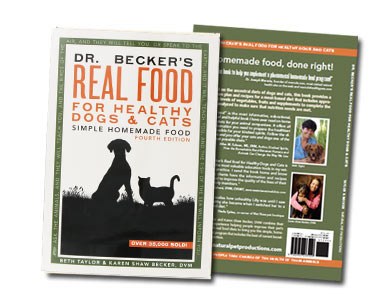
That's why, together with Beth Taylor, we put together Dr. Becker's Real Food for Healthy Dogs and Cats.
Our book shows you how to prepare the freshest, most wholesome species-specific food for your pet.
Contains easy-to-follow recipes and complete buying and
preparation guidelines for providing your cat or dog with a safe,
nutritional diet.
Based on your pet's ancestral diet, every recipe meets NRC and AAFCO nutritional guidelines.
Offers a rotational feeding plan complete with vegetables, fruits, and supplements, including digestive enzymes.
To discover how Dr. Becker's Real Food for Healthy Dogs and Cats can help you get your pet started on the path to good health, click here.
Preparing your own pet's food not for you? Look for frozen raw,
species-specific diets at your natural pet grocer. I believe it's a far
superior option to any canned or kibble food, even if it isn't homemade.
Why Raw Food May Not Be Enough When it Comes to Enzymes
Raw food certainly supplies more digestive enzymes than processed
(canned or kibbled) pet food, but don't be fooled, many animals
consuming raw foods still benefit from enzymes.
All raw food diets attempt to mimic, as closely as possible, what our carnivorous companions would be eating in the wild.
Cats catch and kill mice, dogs eat rabbits and other small prey.
However, there are three parts of the whole prey model no
manufacturer will add to their commercially available raw foods: fur
(fiber), guts and glands.
Why? Frankly, it's gross. And there are risks.
Entrails – the stomach and intestines – are where parasites are
found. To keep raw food diets parasite free manufacturers wisely elect
to not include entrails.
Pancreas and other small glands are also not included because
ensuring a steady source of supply is difficult. This means even animals
eating a raw food diet can lack these beneficial substances.
Your Pet's Best Insurance for Protecting Her Fragile Enzyme Bank
Whether you feed your pet a healthy homemade or frozen
species-specific diet, a canned or a dried kibble diet, she will likely
benefit greatly from supplemental enzymes.
Supplementing with enzymes helps ensure she can completely digest her food without dipping into that fragile bank of metabolic enzymes.
When you feed your pet enzymes with her meals, they aid in digestion.
When you feed the exact same enzymes at other times, they work systemically for metabolic purposes.
When used this way, after meals, the enzymes circulate throughout her body via the bloodstream, helping to:
Support the healthy circulation of blood through arteries
Maintaining normal immune function
Clear cellular debris while cleansing tissue
Stimulate healthy new cell growth
Promote normal cell growth
Promote a healthy immune response
Support normal detoxification processes
Clear away undigested proteins, cleansing the lymph and blood
Using enzymes for total body systemic use is not new. Many holistic
veterinarians have been employing this secret arsenal for years.
Here's what I advise my patients' owners for the systemic use of enzymes:
Feed the recommended dosage (not more) of a high quality animal-based enzyme on a morsel of food one or two hours after meals. Giving enzymes in between meals ensures the enzymes won't be utilized for digestive purposes.
What to Look For in a Good Digestive Enzyme for Your Pet
You have three choices when it comes to choosing a supplemental
enzyme for your pet. Enzymes can come from three different sources:
plant, animal, or fungal.
Over the years in my practice, I have worked with all three types and
have seen the effects, both positive and negative, of each.
Consequently, I have some strong opinions of what I believe works best
for most cats and dogs.
I prefer animal-sourced enzymes, by far, for the following reasons:
Most closely mimics what you find in the ancestral animal's prey's GI tract
Provides pancreatin, replacing some of the pancreas of prey
Because your pet is a carnivore, they respond best to pancreatic enzymes
Enzymes from fungal sources can be especially problematic for many
pets. I've seen huge problems with fungal enzymes, especially with pets
who suffer from allergies.
Based on my experience, I don't find plant-based enzymes to be
powerful enough for cats and dogs. In my opinion, for carnivorous pets,
plant or vegetarian enzymes aren't as efficient for digestive purposes
as are animal-sourced enzymes. I recommend vegetarian enzymes for
vegetarian pets (rabbits) and animal sourced enzymes for carnivorous
pets.
Because animal-based enzymes are more biologically suited for animals
that naturally eat other animals (carnivores) I believe they work more
efficiently for cats and dogs.
Healthy Pets Enzymes – One of the Smartest Choices
for Your Pet's Overall Health
Unable to locate the perfect enzyme for my patients, I decided to
formulate my own, using the ingredients I consider most effective for
cats and dogs.
And now I'd like to make my Healthy Pets Digestive Enzymes available to you, too.
Using only the finest ingredients available, I've selected these enzymes to include in my Healthy Pets Digestive Enzymes:
Betaine HCl - breaks down proteins into peptides and amino acids and fats into triglycerides
Bromelain (pineapple) – one of the safest and most powerful enzymes to help break down and digest protein
Papain (papaya) – a natural plant-sourced enzyme that works together with bromelain to digest protein
Pancreatin – an animal-based pancreatic enzyme providing all three of these enzymes:
Protease – helps break down proteins into amino acids for digestion
Amylase – for splitting and breaking down
long-chain carbohydrates, including starch and glycogen (the
energy-storage molecule in animal tissue) for digestion in the small
intestine
Lipase – helps break down and digest fats
A Source You Can Trust
When selecting any enzyme – for human consumption or for use with
your pets – you want to ensure the source of the enzymes is pure and
from a reliable source.
I have selected a manufacturer that I wholeheartedly trust. Not only
do they exceed the highest industry quality standards, they test and
retest the original raw food sources from which the product is made, to
make sure they conform to their rigorous standards.
Unlike so many animal supplements available today, the ingredients used in my Healthy Pets Digestive Enzymes
are human grade – meaning, they're not any different than those you or I
would take. Most importantly, they're manufactured by a human
supplement company in their own human products lab.
These are the same enzymes I recommend to my patients' owners – and
the enzymes I feed to my own pets. In my opinion, you simply can't find
an enzyme supplement better suited to – or safer – for your pet's needs.
Below you'll find answers to some frequently asked questions I receive from my readers and my patients' owners.
End Your Pet’s Ugly Digestion Problems, Once and For All…
Do you have an enzyme-deficient pet?
Dr. Karen Becker reveals why enzymes are such a crucial part of your
pet’s digestive health.
Dr. Becker's Comments:
All living things, both plants and
animals, depend on enzymes to function. In fact, animals (including
humans!) may contain 2,500 or more different enzymes, which act as
catalysts for millions of different chemical reactions that take place
in their bodies every day.
Enzymes are essential for every metabolic process in your dog or cat,
from their immune system processes to the functioning of their internal
organs. There are also specific enzymes necessary for your pet’s proper
digestion.
These digestive enzymes include:
Protease: Helps break down protein into amino acids
Amylase: Helps break down carbohydrates
Lipase: Helps with digesting fats
Cellulase: For breaking down fiber
Your dog and cat produce these digestive enzymes naturally, however
they do not produce enough of the enzymes necessary to process their
food completely and efficiently.
Why Your Pet May Lack Crucial Digestive Enzymes
Your pet’s pancreas,
which is the organ that secretes amylase to process carbohydrates,
simply cannot secrete enough digestive enzymes to do so effectively.
Dogs and cats don’t produce a lot of amylase because their natural, ancestral diet is primarily meat -- not grains (carbs).
Further, your pets were designed to get some supplemental enzymes
from the foods they eat. When cats kill mice in the wild, for instance,
they eat the whole mouse -- including the animal’s digestive tract and
all of its digestive enzymes.
Likewise, when wolves and coyotes hunt and kill animals in the wild,
they eat some of the entrails -- the guts -- to meet their digestive
enzyme requirement.
Of course, we typically don’t feed our dogs and cats those entrails
they’d be getting in the wild, so most pets in the United States are
enzyme-deficient.
Adding to the problem is also the processed diet that most pets eat.
While raw meat and vegetables contain live enzymes that can greatly help
your pet’s digestive process, those valuable enzymes are killed with
heat.
Enzymes begin to be destroyed at temperatures above 110-115 degrees,
so if your pet’s diet is cooked (as all canned foods and dry kibbles
are) they are also completely devoid of any enzymes.
What this means is that your pet is probably lacking in the enzymes
it needs to digest its food properly. This puts extreme stress on his
digestive system, which can ultimately interfere with nutrient
absorption and cause recurrent digestive issues.
How Your Pet’s Digestive Process Should Work
When dogs and cats consume a meal, the hydrochloric acid in their
stomach mixes with the food as a “pre-digestive” step to help facilitate
the initial breakdown of proteins.
The food then moves into the small intestine, where the digestive
enzymes amylase, lipase and protease mix with the food. The gallbladder
also secretes bile to help process fat.
In an ideal digestive process, there should be a rich blend of
gastric acid, digestive enzymes, and bile in your pet’s small intestine
to facilitate excellent digestion and absorption of nutrients.
However, if your pet does not have enough gastric acid, digestive
enzymes or bile to effectively digest its food, maldigestion and
malabsorption occurs.
Unfortunately, this happens very regularly in dogs and cats.
Symptoms of Digestive Enzyme Deficiency in Pets
If your pet is not getting any supplemental digestive enzymes from
its diet, it must rely on its own supply to break down food.
Unfortunately, since many pets are already deficient, this often means
“robbing” enzymes from other metabolic processes, such as immune system
functioning.
As these enzyme reserves become depleted, it can lead to a range of
health issues in your pet, not to mention malabsorption of nutrients and
improper food digestion.
Signs that your pet may be lacking in digestive enzymes include:
Acid reflux
Belching and gas
Vomiting undigested food (four or five hours after eating)
Bad breath
Bloating
Diarrhea
Abdominal pain, cramping and gurgling
Foul-smelling stool
Undigested food in your pet’s stool
All of these symptoms come together to let you know that in one way
or another, your pet is experiencing maldigestion or malabsorption,
likely due to a lack of digestive enzymes.
In time, this inability to effectively digest its meals can lead to more serious conditions in your pet, as well.
Eating Processed Foods Affects Dogs’ and Cats’ Digestive Health
As I said earlier, the majority of pets in the United States are not
only enzyme-deficient on a biochemical level -- again because their
pancrease simply cannot secrete enough enzymes -- but also on a dietary
level.
Most dogs and cats eat an all-canned food diet or an all-dry food
diet, made up of dead, over-processed ingredients. This means the
enzymes that were once present in living food are killed during the
high-temperature processing, and provide your pet with absolutely none
of the digestive enzymes they so very desperately need.
It’s like a double whammy of enzyme deficiency, and it can cause
serious disturbances to your pet’s digestive and overall health.
What Can You do to Help Your Pet’s Digestion?
First, transition your pet to a living, raw food, species-appropriate diet. This will help to provide some supplemental enzymes via their food.
Next, if your pet is not eating an all-living and raw diet, he will most likely benefit from enzyme supplementation.
In fact, even if your pet is eating a high-quality,
species-appropriate raw-food diet, he can actually benefit from
digestive enzyme supplementation as well, because you’re probably not
feeding him enzyme-rich entrails and guts.
Digestive enzymes are so important for your pet’s health that I
wholeheartedly recommend them for all animals, regardless of their diet.
In searching for a digestive enzyme for your pet, look for one that
has gastric acid support, amylase, lipase and protease as well as
gallbladder support all in one product.
So, again my recommendation, not only for the pets that are having
digestive problems, but for all of you who are interested in creating
abundant health in your animals, is to consider adding digestive enzymes
to your pet’s diet.
The addition of digestive enzymes will allow your pets to process
food more efficiently, and give them the extra support they need to not
just survive, but thrive!
Our [ CoQ10 ] supplement is replaced with Ubiquinol.
Mom ''overdoses'' me with ubiquinol due to my Class B1 MVD. It requires no medication at this stage, and Mom maintains my condition with some heart supplements including ubiquinol.
Full details on why she's ''overdosing'' me with ubiquinol, click [ here ] .
"If Your Pet is Deficient in This Nutrient, It Means His Heart,
Brain, Immune System and Other Vital Organs Could Be Robbed of Essential
Energy"
Your pet's body depends on this nutrient to help tame free radicals,
support heart health, and supply energy to cells. Problem is... your
pet's ability to make this crucial substance declines with age. How can
you help support his cells, tissues and organs?
Your pet's body requires cellular energy to properly function. Not
only does energy keep your pet alive and active, it also promotes health
in many ways you can't even see.
It’s easy to know when your pet has plenty of energy. He has a hearty appetite, he’s eager to play, and he seems content.
Energy levels are closely linked to overall health. So, naturally,
younger animals tend to be full of vitality and generally enjoy a high
level of health.
But what about when your pet reaches ‘middle age’ and beyond and
begins showing signs of less youthful vigor or less-than-optimal health?
Even if your companion is still active... How can you know all is okay
on the inside? How can you tell your pet has the energy he needs for
optimal health?
A Hidden Source of Energy for Your Pet
There's a coenzyme that works in your pet's body that helps make energy for just about every cell.
Nearly every single one of his body functions depend on it... every cell... every organ... and every tissue as well.
Your pet's body requires this essential coenzyme - Coenzyme Q10, or
CoQ10 for short -- to properly function. And it's no different with your
body. Your body can't properly function without CoQ10 either.
CoQ10 is a compound produced naturally in the liver.
And deep down in the mitochondria - the cell's powerhouse - that's where you'll find CoQ10 at work.
Cells use CoQ10 to support their energy and growth. Cells with the
fastest turn over - like heart cells, mouth tissue cells, intestinal
mucosal cells and immune system cells -demand high levels of CoQ10.
Coenzyme Q10 also does other things in your pet's body. It:
Contributes to healthy normal circulation
Promotes optimal immune function
Supports the healthy presence of oxygen in tissues
Supports cardiovascular health
May help promote optimal gastrointestinal health
Supports healthy gums
A Potent Antioxidant, Coenzyme Q10 Helps Fight Oxidative Stress
Another important role CoQ10 plays in your pet's body is that of an
antioxidant, protecting cells, tissues, and organs against oxidative
stress.
As you know, antioxidants fight damaging particles in the body known
as free radicals. A certain amount of free radicals are always present,
but when their numbers increase, they can damage cell membranes, alter
DNA, and cause the death of cells.
Your pet's diet, stress, and environmental factors can all lead to excessive oxygen free radical production.
Scientists believe these excess free radicals contribute aging as well as keeping the body from optimal health.
Antioxidants, including CoQ10, can potentially neutralize the effects
of free radicals and help reduce or prevent some of the damage they
cause. Plus, CoQ10 can boost the effectiveness of other antioxidants,
too, like vitamin C.
Factors That Can Drain Your Pet's CoQ10 Levels
Just like with your own body, as your pet reaches middle age, his
level of CoQ10 gradually diminishes. Your pet's ability to convert CoQ10
into its active form - ubiquinol - declines as well.
Certain conditions can affect your pet's ability to get enough ubiquinol, or active CoQ10, such as:
Increased stress load on his body
Not enough CoQ10 in his diet
Greater metabolic demand from cells and tissues
A shortage of factors to convert CoQ10 into its active form, ubiquinol
You may be wondering if your pet can get CoQ10 from her diet... Food
sources of CoQ10 include oily fish like mackerel, salmon, and sardines,
organ meats and whole grains.
Here's the challenge... Even if your pet were to consume a diet high in these sources every day, she would still be faced with her body's decreased ability to convert CoQ10 into the active form she needs - ubiquinol - as she ages.
Help Increase Your Pet's Declining CoQ10 Levels to Optimize the Potential for a Vibrantly Healthy Pet
Since adding more food sources of CoQ10 into your pet's diet may not
help her get the ubiquinol levels she needs for optimal health, I advise
pet parents to offer their companions a quality ubiquinol supplement.
Which pets can potentially benefit from a ubiquinol supplement?
An animal of any breed who can use additional cardiovascular
support (start supplementing as early as possible to support optimal
heart health).
All cats and dogs age 7 and older, to help minimize oxidative stress and support optimal health.
Performance and athletic animals to support recovery from strenuous muscle use.
All of these pets can likely benefit from a daily supplemental dose
of ubiquinol to help increase their likelihood of a vibrantly healthy
life.
What Can Ubiquinol Potentially Do For YOUR Pet?
When you give your pet the gift of ubiquinol, you may:
Help optimize energy production for cells and bodily functions
Help your pet live a more active, energetic life
Provide for optimal energy production
Promote healthy blood sugar levels already in the normal range
Help support optimal heart health
Help strengthen your pet's cardiovascular system
Help maintain the critical energy level for your pet's most vital muscle - his heart.
Help protect cells against free radical damage
Lend antioxidant support to your pet's body to minimize oxidative stress to cells, tissues, and organs
Help recharge other antioxidants to their optimal, active states
Help reduce the signs of normal aging that are caused by oxidative stress
Help bring back the youthful vigor in your mature pet
Help her act more alert and responsive
Help her maintain optimal health even as she ages
Help support optimal immune function
Promote a healthy immune response to stress
Help defend against free radicals for optimal immune health
Help support optimal brain and nervous system function
Help keep your pet's mind active and sharp
Help satisfy her brain's enormous energy demands
Let me ask you this... doesn't it make sense to take a proactive stance now, while your pet is healthy?
Why Our Ubiquinol for Pets May Be Your Pet's CoQ10 of Choice
CoQ10 supplements come in two forms: Ubiquinone and Ubiquinol.
Ubiquinol is a reduced form of CoQ10 and is the form I recommend for dogs and cats. Why?
Studies show the reduced and non-oxidized form, ubiquinol, may
be better absorbed than the non-reduced form, regular CoQ10
(ubiquinone).
Ubiquinol is especially beneficial for supporting heart muscle.
It's easier and faster for your pet's body to absorb CoQ10 already in its active state (ubiquinol).
Offers a strong first stage defense against oxygen free
radicals to optimally fight the normal signs of aging caused by
oxidative stress.
And that's not all... There are other benefits, too...
Here's What Else I Love About Our Ubiquinol for Pets...
There are NO messy, oily pills to cut open. Our Ubiquinol for Pets uses a revolutionary airless pump technology.
A cinch to use, this airless pump technology:
Helps preserve the ubiquinol from oxygen
intrusion - One of the biggest factors that may cause ubiquinol to go
'bad' is the air itself. Because it uses an airless technology, this
helps the ubiquinol stay fresh until the last drop.
No-fuss application - No tablets to crush or divide. Just press the pre-measured pump. Best of all, there's no taste!
Quick and easy - Just press the pump to quickly and easily deliver the correct dose according to your pet's weight. Ubiquinol for Pets is a safe, alternative source of quality reduced CoQ10.
Mercola Ubiquinol - In My Opinion, You Won't Find a Fresher, More Dependable Ubiquinol for Your Pet
When you give your pet Ubiquinol for Pets, you're assured of:
A 100% all-natural non-synthetic formula
Highly-absorbable Ubiquinol
Backing by a manufacturer with exceptional high-quality standard practices
A 100% satisfaction guarantee (please see below for more information)
When I started checking out the Ubiquinol supplements available for
pets, I was disappointed to discover so many low quality CoQ10 products
on the market.
We truly believe we are working with one of the top CoQ10 and ubiquinol supplement manufacturers in the U.S. today.
Our manufacturer of Ubiquinol for Pets clearly stands apart in quality standard practices:
Follows strict Human GMP standards in its manufacturing processes
Awarded and filed applications on at least 24 U.S. and international patents -- including 10 for its ubiquinol manufacturing process
Please, don't ever settle for a supplement unless it is solidly backed by a manufacturer practicing the highest quality standards.
Ubiquinol for Pets - Help Fuel Your Pet's Potential for an Energy-Filled Life
Naturally, you want the best for your pet. You love his companionship.
When you give him Ubiquinol for Pets, you're giving him what I consider a great chance at health.
With Ubiquinol for Pets, you can potentially help...
Boost energy and stamina levels
Support cardiovascular health
Reduce normal signs of aging that are caused by oxidative stress
Support healthy immune system function
Protect against excess free radicals
Maintain optimal overall health
Support brain and nervous system health
Why take a chance when it's so easy to give the added assurance of Ubiquinol for Pets? It's a small price to pay for a better chance at optimal health and vitality. At only 9 cents a pump, who's counting?